Blog ·
How to Choose the Right Home Insulation for Your Climate
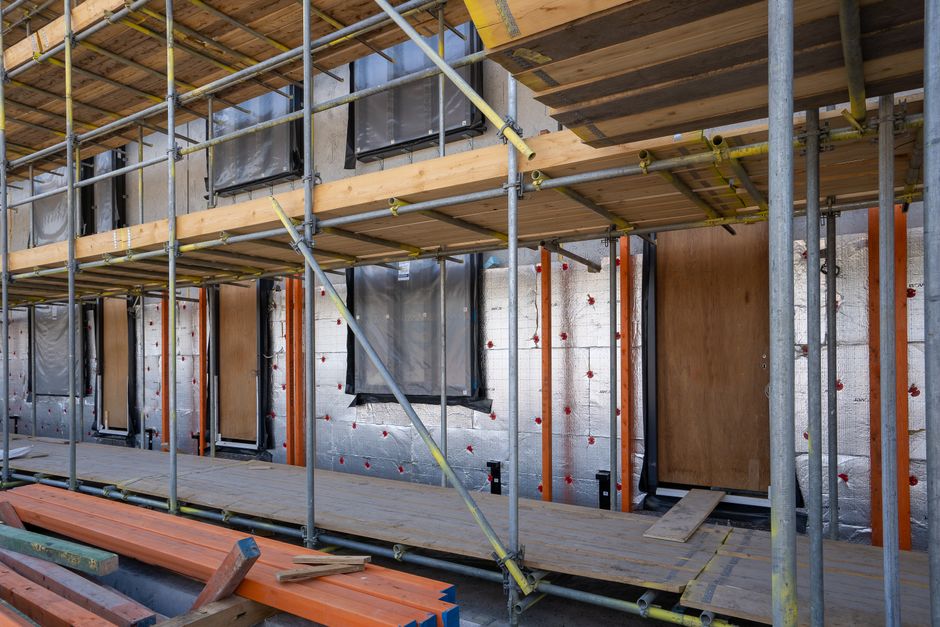
Different regions require different insulation strategies. If you live in a cold climate, you need insulation that maintains its R-value in freezing temperatures and resists moisture buildup. Fiberglass batts work well in many cases, but spray foam offers superior air-sealing properties. In warmer climates, your priority shifts toward reflective barriers and materials that prevent heat transfer into your home.
Your home's age matters significantly. Older homes often lack proper insulation in walls, attics, and crawl spaces. Before adding new insulation, have a professional energy audit performed. Thermal imaging can reveal where heat escapes, showing you exactly where to invest your upgrade dollars.
Finding Your Insulation Sweet Spot
Attic insulation should meet or exceed your region's recommended R-value. Most northern climates need R-38 to R-60, while southern climates typically require R-30 to R-49. Check your local building codes for minimum requirements. A well-insulated attic is your first line of defense against energy loss.
Basement and foundation walls need attention too. If you have a finished basement, insulating these walls prevents cold from radiating into your living space. Spray foam excels here because it seals cracks and gaps while insulating.
Installation Method and Material Choices
Consider the installation method. Blown-in insulation works for attics where joists aren't covered. Batts suit walls with standard stud spacing. Spray foam adapts to irregular spaces and creates an air barrier simultaneously.
Moisture management is critical. In humid climates, vapor barriers prevent condensation inside walls. Dry climates need less moisture protection. Your contractor should understand your region's specific moisture challenges.
Timing and Professional Installation
Timing your upgrade matters for quality installation. Spring and fall offer ideal conditions for most insulation work. Winter installation in cold climates requires special attention to material handling.
The payback period varies by climate and fuel costs. In northern regions with high heating bills, attic insulation typically pays for itself within three to five years. Wall insulation takes longer but provides year-round benefits in heating and cooling seasons.
Get multiple quotes from licensed contractors. Ask about material warranties and installation guarantees. Experienced installers know local building codes and can identify moisture or ventilation issues that affect insulation performance.
Energy efficiency isn't about choosing one perfect solution. It's about layering improvements: proper insulation, air sealing, and qualified installation. When you combine the right insulation strategy with upgraded siding, you create a thermal envelope that keeps your home comfortable while reducing energy consumption.