Blog ·
Modern Siding Options: Durability Meets Energy Savings
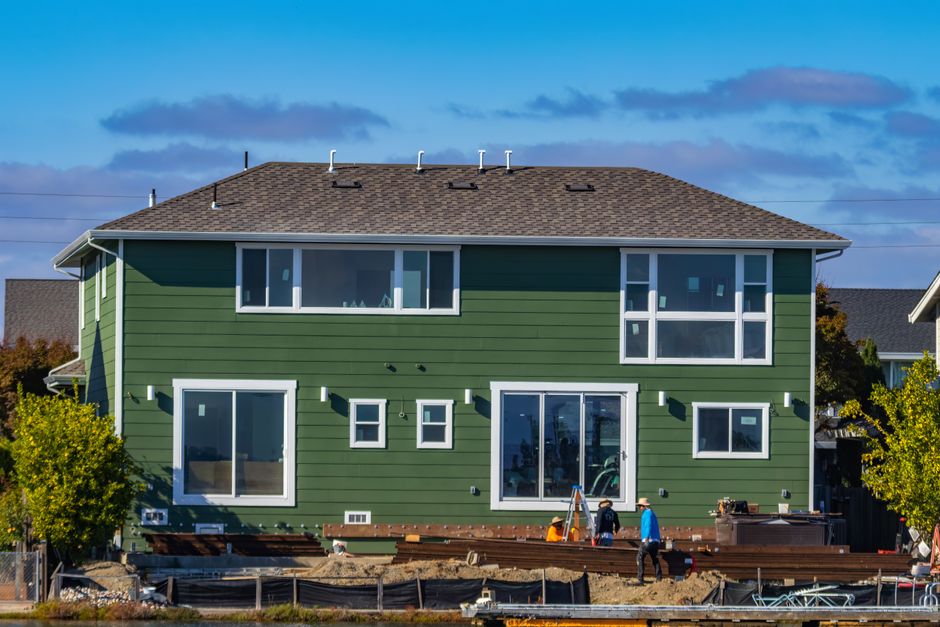
Your home's siding is more than decoration. It's your first defense against weather and a critical component of your home's thermal performance. Modern siding options offer durability improvements over older materials while providing better energy efficiency.
Fiber cement siding combines affordability with durability. It resists rot, insects, and weather damage better than wood. It holds paint longer and requires less maintenance. For homeowners wanting a wood appearance without wood's vulnerabilities, fiber cement delivers reliable performance.
Popular Siding Materials and Their Benefits
Composite siding blends wood fibers with polymers, creating materials that resist moisture better than solid wood. These products maintain a natural appearance while requiring minimal maintenance. Some composite options include insulation backing, improving your home's thermal performance directly.
Vinyl siding remains popular for budget-conscious homeowners. Modern vinyl formulations resist fading better than older products. Insulated vinyl options have foam backing that adds R-value to your exterior walls. This combination of affordability and efficiency makes upgraded vinyl an attractive choice.
Metal siding offers exceptional durability and can be recycled at end-of-life. Standing seam or metal panels provide a modern aesthetic. Metal conducts heat, so choose products with thermal breaks that prevent heat transfer through fasteners and panels.
Color Selection and Energy Performance
Color selection affects energy performance. Lighter colors reflect sunlight, reducing cooling costs in warm climates. Darker colors absorb heat, beneficial in cold climates where solar gain helps offset heating costs. Choose colors that align with your climate's seasonal needs.
Installation and Underlayment Matter
Existing siding often conceals air leaks and moisture problems. When upgrading, your contractor should inspect the structure underneath. Water-damaged sheathing or missing house wrap indicates deeper issues needing attention before new siding installation.
Professional installation ensures proper weather sealing. Siding should overlap correctly, have appropriate expansion gaps, and sit flush against trim. Improper installation creates gaps where air infiltration occurs and water can damage the structure.
Quality underlayment or house wrap deserves attention. This layer prevents water from reaching your framing while allowing moisture vapor to escape. Modern house wraps manage moisture better than traditional felt.
Vented rain screens create an air gap behind siding, allowing water to drain and dry. This approach prevents moisture damage even when water penetrates the siding. Premium installations use this technique for maximum durability.
New siding paired with improved insulation creates a complete thermal upgrade. You'll notice reduced heating and cooling costs, improved comfort, and fewer drafts. Your home's exterior appearance improves, and structural protection increases.
The investment in quality siding extends your home's lifespan while immediately improving energy efficiency. Combined with insulation upgrades, new siding transforms your home's performance and comfort.